Sports Massage & Recovery in Dublin — Perform at Your Peak with MoveWell
Dublin is a city that moves. Every Saturday morning, thousands of runners lace up for parkrun events at Phoenix Park, Marlay Park, and dozens of other venues across the county. CrossFit boxes from Ringsend to Rathmines are packed before dawn. GAA clubs from Na Fianna to Ballyboden St Enda's train four nights a week during the championship season. Marathon runners pound the canal paths year-round, chasing personal bests at the Dublin Marathon or the Vhi Women's Mini Marathon. The fitness culture in this city is thriving, and the appetite for sport and exercise has never been stronger.
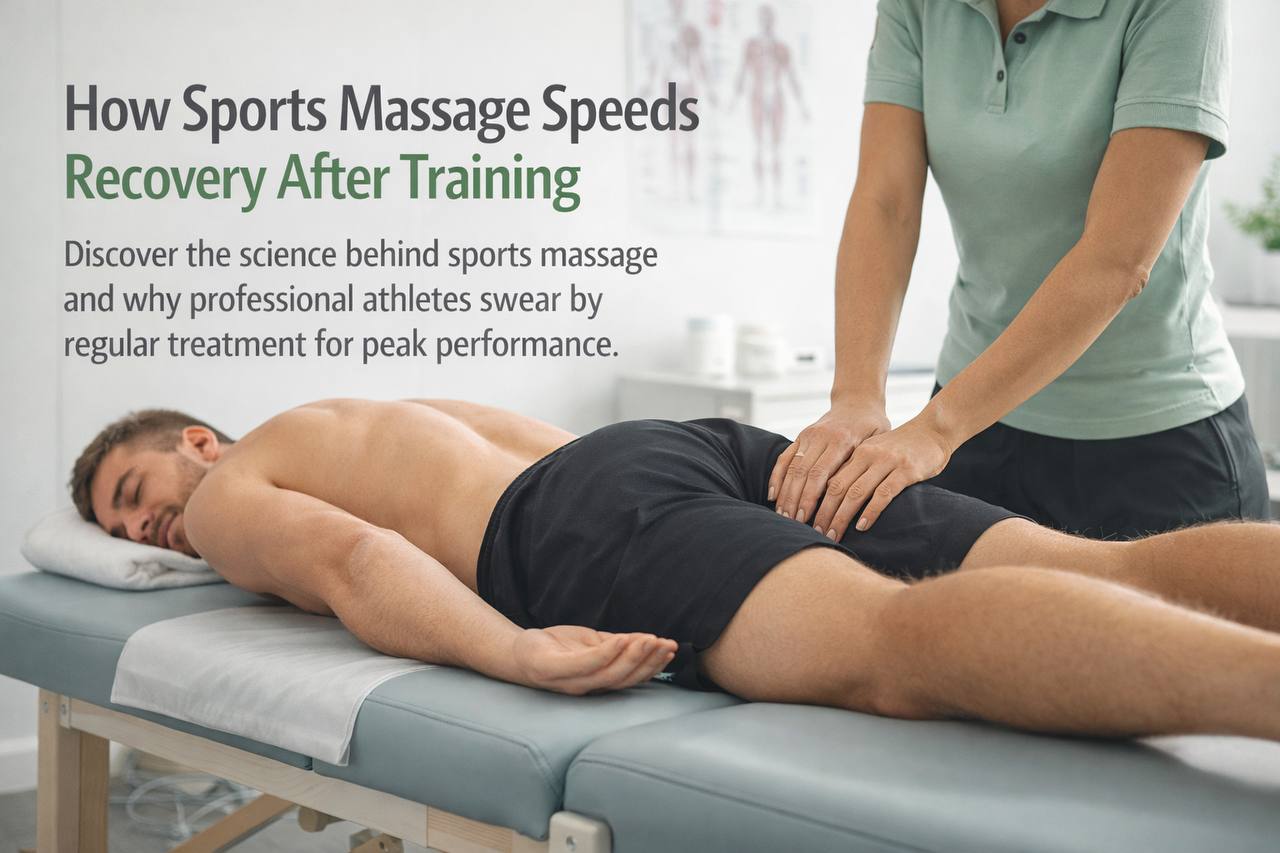
But here is the reality that many active people in Dublin overlook: training hard without recovering properly is a fast track to injury, burnout, and declining performance. Your muscles do not get stronger during a workout. They get stronger during recovery. The micro-tears in muscle fibres that occur during intense training need time, blood flow, and targeted attention to repair and rebuild. Without that recovery, you are not building fitness. You are accumulating damage.
Sports massage is not a luxury reserved for professional athletes. It is a fundamental performance tool that belongs in the routine of every person who trains regularly, competes in sport, or simply expects their body to perform at a high level. At MoveWell, we treat sports massage as an essential part of athletic performance, not an occasional indulgence. Whether you play inter-county hurling or complete your first 5K, your body deserves the same clinical attention when it comes to recovery.
What Is Sports Massage and How Is It Different?
Many people assume that all massage is essentially the same: lie on a table, close your eyes, and enjoy an hour of relaxation. Sports massage is fundamentally different. While a relaxation or Swedish massage uses flowing, gentle strokes designed to calm the nervous system and promote general wellbeing, sports massage is a targeted, clinical treatment designed to address the specific demands that sport and exercise place on your musculoskeletal system.
A sports massage therapist identifies the muscle groups that are under the greatest stress from your particular activity. A GAA midfielder will have very different requirements to a marathon runner or a weightlifter. The treatment is then tailored to address those specific patterns of tension, restriction, and overuse.
The techniques we use at MoveWell include:
- Deep tissue massage — sustained pressure targeting the deeper layers of muscle and fascia to release chronic tension and adhesions that build up from repetitive training.
- Myofascial release — slow, sustained stretching of the fascial network that surrounds every muscle, bone, and organ in your body. When fascia becomes restricted, it limits range of motion and creates compensatory movement patterns that lead to injury.
- Trigger point therapy — focused pressure on hyperirritable spots within taut bands of muscle fibre. These trigger points often refer pain to other areas of the body and are a common source of persistent pain in athletes.
- Assisted stretching and mobilisation — passive and active stretching techniques that improve flexibility and joint range of motion beyond what most athletes achieve through self-stretching alone.
It is also important to understand that sports massage serves different purposes depending on when it is applied. Pre-event massage is a short, stimulating session performed hours or days before competition to increase circulation, warm the muscles, and mentally prepare the athlete. Post-event massage is a gentler session focused on reducing muscle soreness, flushing metabolic waste, and accelerating recovery after competition. Maintenance massage is the regular, ongoing treatment that forms the backbone of a smart recovery programme, keeping tissues healthy and catching problems before they become injuries.
Who Benefits from Sports Massage in Dublin?
GAA Players & Hurlers
GAA is one of the most physically demanding amateur sports in the world. The combination of sprinting, tackling, jumping, and overhead striking in hurling places extraordinary demands on the body. Hamstring strains are the most common soft tissue injury in Gaelic football, while shoulder injuries and hip flexor tightness are rampant among hurlers. County players and senior club players often train four to five times a week during the season, with matches on top of that. Regular sports massage helps manage the accumulated impact of training, reduces the risk of hamstring and groin injuries, and ensures faster recovery between matches. We work with GAA players throughout the Dublin club scene and understand the unique physical demands of the sport.
Runners & Marathon Trainers
Dublin is a running city. From the Dublin Marathon in October to the Vhi Women's Mini Marathon in June, from parkrun mornings in St Anne's Park to evening laps along the Grand Canal, runners are everywhere. The repetitive nature of running means that certain injuries appear again and again: iliotibial band syndrome, shin splints, plantar fasciitis, Achilles tendinopathy, and calf tightness. Sports massage directly addresses the muscle shortening and fascial restriction that running creates. Regular treatment keeps the calves, quads, hamstrings, and hip flexors supple and reduces the cumulative strain that eventually leads to overuse injuries. If you are training for the Dublin Marathon or building up your parkrun time, sports massage should be a non-negotiable part of your programme.
Gym & CrossFit Athletes
CrossFit has exploded across Dublin in recent years, with boxes in nearly every suburb. The high-intensity, varied nature of CrossFit means athletes are constantly challenging their bodies with heavy lifting, gymnastics movements, and metabolic conditioning. This diversity is a strength of the methodology, but it also creates a wide range of potential overuse injuries and muscle imbalances. Weightlifters and powerlifters face similar challenges: heavy squats and deadlifts place enormous stress on the lower back, hips, and posterior chain. Sports massage helps identify and address imbalances before they cause injury, speeds recovery between heavy training days, and maintains the tissue quality needed for consistent performance.
Weekend Warriors
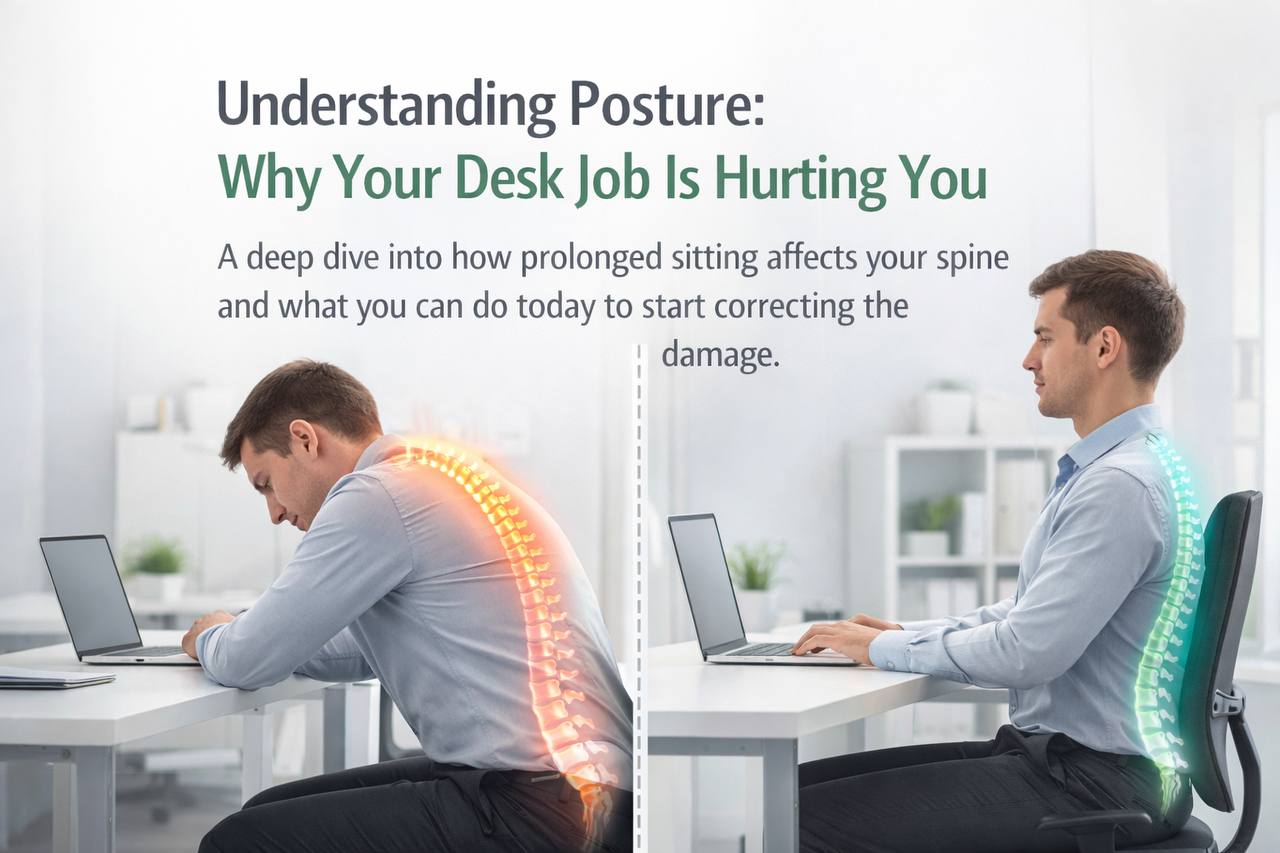
Perhaps the group most at risk of injury is the weekend warrior: the person who sits at a desk all week and then plays a hard match of five-a-side football on Saturday or goes for a long hike on Sunday. The transition from prolonged sitting to intense physical activity is a recipe for injury. Tight hip flexors, weakened glutes, and a stiff thoracic spine from desk work create a body that is poorly prepared for the demands of sport. We regularly treat people who develop back pain from this pattern of all-or-nothing activity. Sports massage combined with targeted movement guidance can help bridge the gap between your desk-bound working life and your active weekends.
The Science Behind Sports Recovery Massage
Sports massage is not just something that "feels good." There is a growing body of scientific evidence supporting its effectiveness as a recovery and performance tool.
Reducing delayed onset muscle soreness (DOMS). A 2017 meta-analysis published in Frontiers in Physiology found that massage was the most effective recovery method for reducing DOMS and perceived fatigue after intense exercise. The mechanical pressure applied during massage helps disperse the fluid accumulation and inflammatory markers that contribute to post-exercise soreness. If you have ever struggled to walk down stairs two days after a hard leg session, you know how debilitating DOMS can be. Sports massage significantly reduces both the severity and duration of this soreness.
Improving blood flow and lymphatic drainage. The stroking and kneading techniques used in sports massage physically push blood through congested areas of muscle tissue, improving circulation and accelerating the delivery of oxygen and nutrients needed for repair. At the same time, massage stimulates the lymphatic system, which is responsible for removing metabolic waste products such as lactic acid and other byproducts of intense exercise. Better circulation means faster recovery.
Releasing fascial restrictions and supporting tissue repair. Fascia is the continuous web of connective tissue that wraps around and through every muscle in your body. When fascia becomes tight, dehydrated, or adhered to surrounding structures, it restricts movement and creates compensatory patterns that lead to pain and injury. Myofascial release techniques restore the gliding surfaces between tissue layers and allow muscles to function through their full range of motion. This is particularly important for athletes who perform the same movements repeatedly, as running or cycling can cause fascial layers to become "stuck" in shortened positions.
Mental recovery and stress reduction. The benefits of sports massage extend beyond the physical. Research consistently shows that massage therapy reduces cortisol levels, the primary stress hormone, while increasing serotonin and dopamine production. For competitive athletes, the psychological pressure of training and competition can be as exhausting as the physical demands. Regular massage improves sleep quality, reduces anxiety, and promotes a sense of wellbeing that supports sustained athletic performance. The mental reset that comes from a skilled massage session should not be underestimated.
MoveWell's Sports Recovery Protocol
At MoveWell, we do not simply put you on a table and start rubbing. Our sports recovery protocol is a structured, clinical process designed to identify the root cause of your pain or restriction and build a treatment plan that delivers lasting results.
- Assessment. Every treatment begins with a thorough assessment. We ask about your training history, injury history, current symptoms, and performance goals. We need to understand what your body is being asked to do before we can determine how to help it recover.
- Movement screening. We observe how you move. Simple tests of range of motion, stability, and functional movement reveal compensatory patterns and restrictions that may not be obvious from symptoms alone. This screening informs the treatment and helps us prioritise what needs attention.
- Targeted treatment. Based on the assessment and screening, we apply the appropriate combination of deep tissue work, myofascial release, trigger point therapy, and stretching to address your specific needs. This is not a one-size-fits-all massage. Every session is tailored to your body on that day.
- Recovery plan. After treatment, we provide clear guidance on aftercare: stretches to perform, areas to foam roll, activities to avoid in the short term, and strategies to support your recovery between sessions.
- Maintenance schedule. We work with you to establish an ongoing treatment schedule that aligns with your training programme and competition calendar, ensuring consistent progress rather than crisis management.
This protocol is part of our clinical services and reflects our commitment to treating the whole athlete, not just the symptom.
Train hard, recover smarter. Your body deserves expert care.
Book your sports massage at MoveWell Dublin →How Often Should Athletes Get Sports Massage?
One of the most common questions we hear at MoveWell is: "How often should I be getting a sports massage?" The answer depends on your training load, competition schedule, and individual recovery needs, but here are some general guidelines that we recommend to our Dublin-based athletes:
- During heavy training blocks: weekly sessions. When you are building volume or intensity, whether that is pre-season training for GAA, marathon build-up, or a CrossFit competition cycle, weekly massage keeps tissue quality high and prevents the gradual accumulation of tension that leads to injury.
- Maintenance periods: every two to four weeks. During periods of steady training without a specific competition goal, fortnightly or monthly sessions maintain the benefits of regular treatment and catch emerging issues early.
- Pre-competition: two to three days before your event. A pre-event session should be lighter and more mobilising than a regular treatment session. The goal is to prime the body for performance, not to create soreness or fatigue.
- Post-competition: 24 to 48 hours after your event. A post-event session helps accelerate recovery by reducing inflammation, improving circulation, and addressing any acute tightness or soreness from competition.
We offer flexible scheduling to accommodate the demands of training life. View our recovery packages for options that suit regular treatment.
Common Sports Injuries We Treat
At MoveWell, we see a wide range of sports-related injuries across all levels of activity. While sports massage is primarily a recovery and prevention tool, it also plays a significant role in the rehabilitation of many common injuries:
- Hamstring strain — the most common soft tissue injury in field sports. Massage helps restore length and function to damaged hamstring fibres and addresses the hip and lower back imbalances that often contribute to hamstring problems.
- Shoulder impingement — prevalent among swimmers, overhead athletes, and hurlers. Targeted work on the rotator cuff muscles, upper trapezius, and pectoral muscles relieves the compression that causes impingement pain.
- Knee pain — whether from runner's knee, patellofemoral syndrome, or general overuse, knee pain in athletes is frequently caused by muscle imbalances in the quadriceps, hamstrings, and IT band rather than structural damage to the joint itself.
- Lower back strain — common in weightlifters, rowers, and anyone who sits for long periods between training sessions. We address the tight hip flexors, weak glutes, and restricted thoracic spine that contribute to lower back overload.
- Ankle sprains — while acute ankle sprains require initial rest and rehabilitation, sports massage plays a valuable role in the later stages of recovery by restoring mobility, reducing scar tissue formation, and rebuilding proprioceptive function.
- Tennis elbow and golfer's elbow — overuse injuries of the forearm extensors and flexors that respond well to deep tissue massage combined with targeted stretching and load management.
Frequently Asked Questions About Sports Massage
Why Dublin Athletes Choose MoveWell
Dublin has no shortage of massage therapists, so why do athletes across the city consistently choose MoveWell for their sports recovery needs?
We understand Irish sport. Our experience spans GAA, road running, CrossFit, rugby, swimming, cycling, and gym training. We do not apply a generic template to every athlete. We understand the specific physical demands of each sport and the injury patterns they create. When a hurler comes in with shoulder pain, we know it is likely related to the overhead striking motion and the impact of tackling. When a marathon runner presents with IT band tightness, we know to check the hip stability and glute activation patterns that are almost always involved. This sport-specific knowledge makes our treatment more effective and more efficient.
Clinical approach, not spa massage. MoveWell is a rehabilitation and performance clinic, not a spa. Every session is grounded in anatomy, biomechanics, and evidence-based practice. We assess, we test, we treat, and we reassess. Our goal is measurable improvement in your pain, mobility, and performance, not just a pleasant experience on the table. That clinical rigour is what separates effective sports massage from an expensive hour of relaxation.
Flexible evening and weekend appointments. We know that athletes train around work and family commitments. That is why we offer early morning, late evening, and Saturday appointments to fit around your schedule. Whether you need a session after your Tuesday evening training or a recovery treatment on Saturday afternoon after a match, we have appointment times that work for active people with busy lives.
Results-focused treatment plans. We are not interested in creating dependency. Our goal is to give you the treatment and knowledge you need to perform at your best and stay injury-free. That means clear communication about what we find, what we are doing about it, and what you can do between sessions to support your own recovery. Every treatment plan has a purpose and a progression, and we measure our success by your results on the pitch, on the road, and in the gym.
Ready to Perform at Your Peak?
Expert sports massage and recovery treatment in Dublin. Book your session at MoveWell today.
Book Your Sports MassageRelated Articles