Deep Tissue Massage in Dublin — What It Really Does and Why You Need It
Deep tissue massage is one of the most requested services at MoveWell, and it is easy to understand why. Whether you are a desk worker in the Silicon Docks carrying months of shoulder tension, a CrossFit regular in Ringsend who pushed a little too hard last week, or someone simply worn down by the relentless pace of Dublin life, the promise of deep, lasting relief is difficult to resist. The demand for serious soft tissue work has never been higher in this city.
Yet despite its popularity, most people who book a deep tissue session do not fully understand what clinical deep tissue massage actually involves. Many arrive expecting a standard relaxation massage with firmer pressure. Others brace themselves for an hour of pain, having heard horror stories about brutal treatments that left people bruised and battered. Neither picture is accurate, and both misconceptions prevent people from getting the full benefit of one of the most effective manual therapy techniques available.
Deep tissue massage is not simply pressing harder. It is a skilled, deliberate therapeutic technique that targets the deeper layers of muscle tissue, tendons, and fascia to address chronic tension patterns, break down adhesions, and restore proper function. At MoveWell, we deliver clinical-grade deep tissue treatment — not a spa experience. Our approach is grounded in anatomy, informed by current research, and tailored to the individual needs of every patient who walks through our door. In this article, we will explain exactly what deep tissue massage is, outline the evidence-based benefits, describe what happens during a session at our Dublin clinic, and help you determine whether it is the right treatment for you.
What Is Deep Tissue Massage? (The Real Explanation)
Deep tissue massage is a clinical technique that systematically works through the superficial layers of muscle to reach the deeper structures underneath — including the deep musculature, tendons, and fascia. Fascia is the connective tissue that wraps around every muscle, bone, nerve, and organ in the body, forming a continuous web throughout your entire system. When fascia becomes restricted due to injury, inflammation, repetitive strain, or prolonged poor posture, it creates adhesions: bands of rigid, stuck-together tissue that restrict movement, compress nerves, and generate pain.
The primary goal of deep tissue massage is to break down these adhesions and restore normal tissue function. This is achieved through slow, deliberate strokes that move along the grain of the muscle fibres, sustained pressure applied with the forearms, elbows, and knuckles, and cross-fibre friction techniques that work perpendicular to the muscle to separate stuck layers of tissue. The therapist works progressively deeper, warming and releasing the superficial layers before accessing the deeper structures. It is a methodical process that requires anatomical precision, not brute force.
People often confuse deep tissue massage with Swedish massage, but the two are fundamentally different in both technique and purpose. Swedish massage uses long, flowing effleurage strokes, gentle kneading, and rhythmic tapping to promote general relaxation and improve surface-level circulation. It is a wonderful treatment for stress relief and overall wellbeing, but it does not address the deeper structural issues that cause chronic pain and dysfunction. Deep tissue massage, by contrast, is therapeutic in intent — it targets specific problem areas with the goal of creating lasting change in the tissue.
Deep tissue massage also differs from sports massage, though there is significant overlap. Sports massage is typically performance-focused, designed to prepare athletes for competition, aid recovery after exertion, or address sport-specific injuries. Deep tissue massage has a broader application, treating chronic tension and pain regardless of whether the patient is an athlete. At MoveWell, we often blend elements of both approaches, because the best results come from adapting technique to the individual rather than rigidly adhering to a single modality.
It is also worth clarifying what "deep" actually means in this context. Deep does not simply mean more pressure. A therapist can apply enormous pressure to the surface of a muscle without ever reaching the deeper layers. True depth requires technique — the ability to engage and release the superficial tissue, work through layers progressively, and apply force at the correct angle and speed to affect structures that lie beneath the surface. This distinction is critical, because unskilled heavy pressure can cause tissue damage, while skilled deep tissue work produces genuine therapeutic benefit.
8 Evidence-Based Benefits of Deep Tissue Massage
The benefits of deep tissue massage extend far beyond the treatment table. Here are eight outcomes that are supported by clinical evidence and that we see consistently in our patients at MoveWell.
1. Chronic Pain Reduction
Deep tissue massage has been shown to significantly reduce chronic pain, particularly in the lower back, neck, and shoulders. A study published in the Annals of Internal Medicine found that massage therapy was more effective than conventional medical care for persistent back pain, with improvements lasting up to six months. At MoveWell, chronic pain reduction is the primary reason most of our deep tissue patients seek treatment, and the results are reliably positive. By releasing sustained muscle contraction and reducing nerve compression caused by tight tissue, deep tissue work interrupts the pain cycle at its source.
2. Breaking Down Scar Tissue and Adhesions
After an injury, surgery, or period of inflammation, the body lays down scar tissue as part of the healing process. This scar tissue is denser and less elastic than healthy tissue, and it often binds to surrounding structures, creating adhesions that restrict movement and generate pain. Deep tissue massage uses cross-fibre friction and sustained pressure to gradually break down these adhesions, improving tissue elasticity and restoring normal movement patterns. Patients who have been living with post-surgical stiffness or old injury sites that never quite healed properly often experience significant relief through a targeted course of deep tissue treatment.
3. Improved Range of Motion
Restricted range of motion is one of the most common consequences of chronic muscle tension and fascial adhesion. When tissue is tight and stuck, it physically prevents joints from moving through their full range. Deep tissue massage restores tissue length and elasticity, allowing joints to move more freely. We routinely see measurable improvements in shoulder, hip, and spinal mobility after just a single session, with cumulative gains over a course of treatment. For Dublin's active population — from runners preparing for the Dublin Marathon to GAA players who need full hip rotation — improved range of motion directly translates to better performance and reduced injury risk.
4. Lower Blood Pressure and Heart Rate
Research published in the Journal of Alternative and Complementary Medicine demonstrated that a single session of deep tissue massage can produce significant reductions in systolic and diastolic blood pressure, as well as resting heart rate. These effects are thought to be mediated by the activation of the parasympathetic nervous system — the body's rest-and-digest response — which is triggered by sustained pressure and the reduction of muscular tension. For our patients who are managing the cardiovascular effects of high-stress professional lives in Dublin, these systemic benefits are a meaningful bonus on top of the musculoskeletal improvements.
5. Stress and Anxiety Relief
The stress-relieving effects of deep tissue massage go beyond simple relaxation. When the body is held in a state of chronic tension — tight jaw, clenched shoulders, rigid lower back — the sympathetic nervous system remains constantly activated, keeping cortisol levels elevated and perpetuating a cycle of physical and mental strain. Deep tissue massage physically releases this held tension, signalling the nervous system that it is safe to downregulate. Research has shown that massage therapy reduces cortisol levels by an average of thirty-one percent while increasing serotonin and dopamine, the neurotransmitters associated with mood regulation and wellbeing. Many of our patients report that the mental clarity and emotional calm they experience after a deep tissue session is just as valuable as the physical relief.
6. Better Sleep Quality
Poor sleep and chronic muscle tension create a vicious cycle: pain disrupts sleep, and poor sleep impairs the body's ability to heal and manage pain. Deep tissue massage breaks this cycle by reducing pain intensity, lowering cortisol, and promoting the parasympathetic state that is necessary for restful sleep. A study in the International Journal of Neuroscience found that massage therapy increased delta wave activity in the brain — the brain waves associated with deep, restorative sleep. Our patients regularly report sleeping more deeply and waking less frequently on the nights following treatment, and this improvement in sleep quality accelerates their overall recovery.
7. Injury Rehabilitation Support
Deep tissue massage is a valuable component of injury rehabilitation, working alongside corrective exercise and other interventions to accelerate the healing process. By improving blood flow to injured tissue, reducing compensatory tension patterns, and breaking down the adhesions that form during the healing process, deep tissue work helps the body repair more efficiently and with better tissue quality. Whether you are recovering from a hamstring tear picked up during five-a-side, a shoulder impingement from swimming, or a back injury sustained at work, deep tissue massage supports your return to full function. For more on how we integrate massage into injury recovery protocols, see our sports recovery article.
8. Improved Posture
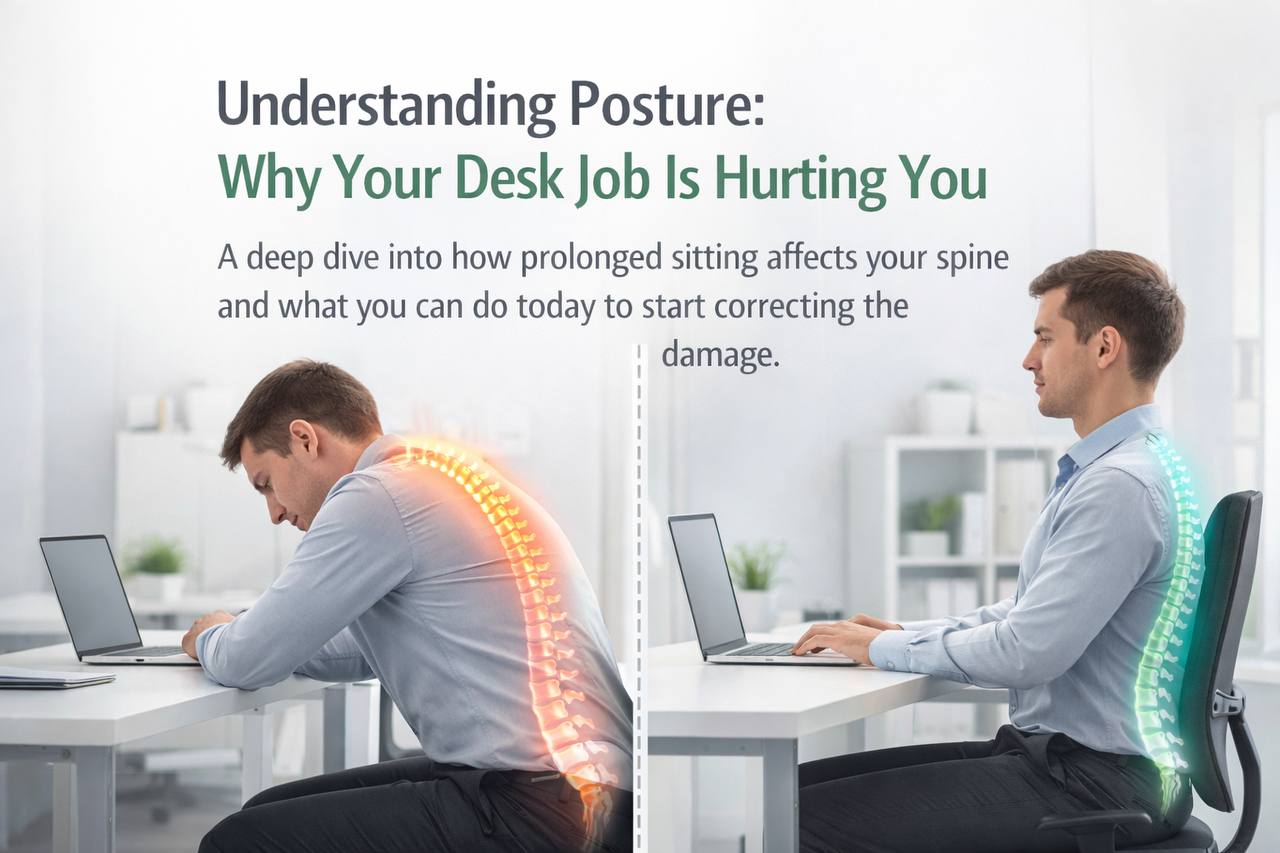
Chronic muscle imbalances — typically tight chest muscles and hip flexors combined with weak upper back and glute muscles — are the primary drivers of poor posture. Deep tissue massage addresses the tightness side of this equation, releasing the shortened, overactive muscles that pull the body out of alignment. When combined with strengthening exercises for the opposing muscle groups, deep tissue work can produce significant postural improvements that reduce pain, improve breathing, and enhance physical appearance. This is particularly relevant for Dublin's large population of desk workers and tech professionals. For a comprehensive approach to postural correction, see our posture correction guide.
What to Expect During a Deep Tissue Session at MoveWell
If you have never had a deep tissue massage before — or if your previous experiences were at a spa rather than a clinical setting — you may be wondering what our process looks like. At MoveWell, every deep tissue session follows a structured clinical framework designed to maximise therapeutic benefit.
Pre-treatment consultation. Every session begins with a conversation. For new patients, this is a detailed health history covering your symptoms, pain locations, medical history, occupation, exercise habits, and treatment goals. For returning patients, we check in on how you have responded since your last session and adjust our plan accordingly. This consultation is not a formality — it directly informs where we focus our treatment, what techniques we use, and how much pressure is appropriate for you.
Communication about pressure. One of the most important aspects of deep tissue work is ongoing communication between therapist and patient. Before we begin, we establish a clear understanding of your pressure preferences and pain tolerance. During the session, we check in regularly and encourage you to speak up at any time. Effective deep tissue massage requires working at the edge of your comfort zone — deep enough to create change in the tissue, but not so intense that your muscles guard and tense against the pressure. Your feedback guides us in finding that optimal zone.
Techniques used. Depending on your presentation, we may employ a combination of stripping (slow, deep gliding pressure along the length of the muscle fibres), cross-fibre friction (pressure applied perpendicular to the muscle to break adhesions), trigger point therapy (sustained compression on specific hyperirritable points within muscle), and myofascial release (broad, sustained pressure to stretch and release the fascial web). We select and blend techniques based on what your body needs, not a one-size-fits-all protocol.
Session flow. A typical deep tissue session at MoveWell lasts sixty minutes. We begin by warming the superficial tissue with broader strokes before progressing to deeper, more targeted work on the problem areas identified during the consultation. The session builds gradually in intensity, allowing your nervous system to adapt and your muscles to relax into the pressure. We conclude with gentler techniques to calm the nervous system and promote a sense of ease before you leave the table.
Post-treatment advice. Before you leave, we provide specific aftercare guidance. This typically includes hydration recommendations, advice on any stretches or exercises to reinforce the treatment, and information about what to expect in the following twenty-four to forty-eight hours. We want you to get the maximum benefit from every session, and what you do after treatment matters.
Ready to release deep tension? Your muscles will thank you.
Book your deep tissue massage at MoveWell Dublin →Does Deep Tissue Massage Hurt?
This is the question we hear more than almost any other, and it deserves an honest answer. Deep tissue massage involves significant pressure applied to areas that are often already tender, tight, or inflamed. There will be moments of discomfort — a satisfying, productive intensity that many patients describe as "hurts so good." This therapeutic discomfort is a sign that the therapist is effectively engaging restricted tissue and creating the conditions for release and healing.
However, there is a critical difference between therapeutic discomfort and damaging pain. Therapeutic discomfort is manageable, focused, and accompanied by a sense of release. Damaging pain is sharp, burning, or causes you to hold your breath, clench your muscles, or guard against the pressure. The second type is counterproductive — it triggers a protective response in the muscles that actually prevents the tissue from releasing. Skilled deep tissue work should never leave you feeling battered or bruised.
At MoveWell, our therapists are trained to read the body's responses and adjust pressure in real time. We monitor your breathing patterns, muscle tension, and verbal feedback to ensure we are working at the optimal intensity. If something is too intense, we want to know immediately — not because it reflects badly on your toughness, but because treatment is more effective when your body is able to accept and respond to the pressure rather than fighting against it.
Post-treatment soreness is normal and expected. In the twenty-four to forty-eight hours following a deep tissue session, you may experience a dull ache in the treated areas, similar to the feeling after a challenging workout. This is the body's natural inflammatory response to the mechanical work performed on the tissue, and it is a sign that healing and remodelling are taking place. The soreness typically resolves within two days and is followed by a noticeable improvement in how the area feels and functions. Applying gentle heat to sore areas, staying well hydrated, and avoiding intense exercise for twenty-four hours after treatment will help manage any post-session discomfort.
Who Should Get Deep Tissue Massage?
Deep tissue massage is beneficial for a wide range of people. Here are the groups that tend to benefit most from this type of treatment at our Dublin clinic.
Chronic pain sufferers. If you have been dealing with persistent pain in your back, neck, shoulders, or hips that has not responded to stretching, painkillers, or time, deep tissue massage targets the muscular and fascial restrictions that are often the underlying cause. Many of our chronic pain patients have spent months or years trying other approaches before discovering that skilled deep tissue work finally addresses the root issue.
Athletes and active people. Whether you play GAA at club level, train at a local CrossFit box, run with a Parkrun group along the Grand Canal, or lift weights at one of Dublin's many gyms, deep tissue massage helps maintain tissue quality, prevent injury, and accelerate recovery. For a deeper look at how massage supports athletic performance, see our sports massage guide.
Desk workers with neck and shoulder tension. Dublin is a city of knowledge workers. Hours spent at keyboards and screens create a predictable pattern of tension: tight upper trapezius muscles, restricted pectoral muscles, a stiff thoracic spine, and a forward head position that generates chronic headaches. Deep tissue massage systematically releases these patterns. If this resonates with you, our posture issues article is also essential reading.
People recovering from injury. Deep tissue massage supports the rehabilitation process by improving blood flow to healing tissue, breaking down scar tissue adhesions, and addressing the compensatory tension patterns that develop when the body guards an injured area. It works best as part of a comprehensive rehabilitation plan that includes corrective exercise.
Stress and anxiety sufferers. The physical effects of chronic stress — clenched jaw, tight shoulders, rigid lower back, disrupted sleep — respond powerfully to deep tissue work. The combination of physical tension release and nervous system downregulation makes this one of the most effective non-pharmaceutical interventions for stress-related physical symptoms.
Who should NOT get deep tissue massage. While deep tissue massage is safe for the vast majority of people, there are certain contraindications that require caution or modification. These include blood clotting disorders or current use of blood-thinning medication, recent surgery or open wounds in the treatment area, active skin infections or inflammation, severe osteoporosis, and certain cardiovascular conditions. If you are unsure whether deep tissue massage is appropriate for you, contact us before booking and we will advise you based on your individual circumstances.
How Often Should You Get Deep Tissue Massage?
The ideal frequency depends on what you are trying to achieve and the current state of your body. Here are our general recommendations based on what we see work best in clinical practice.
For chronic issues: If you are dealing with long-standing pain, significant muscle tension, or the aftermath of an injury, we typically recommend weekly sessions for the first four to six weeks. This allows us to build on the progress of each session before the tissue has time to revert to its previous state. Once significant improvement is achieved, we transition to bi-weekly sessions for maintenance and continued progress.
For maintenance: If you are generally in good condition but want to prevent problems from developing and keep your body functioning at its best, a monthly deep tissue session is ideal. This is particularly popular among our patients who work in demanding desk jobs or maintain an active training schedule — a monthly session catches developing tension before it becomes a problem.
For stress management: If your primary goal is managing stress-related tension and maintaining physical and mental wellbeing, a session every two to four weeks works well for most people. The frequency can be adjusted based on your stress levels — busier, more demanding periods may warrant more frequent treatment.
We offer multi-session packages that make regular treatment more accessible and affordable. Visit our packages and pricing page for full details on the options available.
Deep Tissue Massage vs Other Types of Massage
Understanding the differences between massage modalities helps you choose the right treatment for your needs. Here is a side-by-side comparison of the four most common types of therapeutic massage.
| Feature | Deep Tissue | Swedish | Sports | Myofascial |
|---|---|---|---|---|
| Pressure | Firm to deep | Light to medium | Medium to deep | Light to medium, sustained |
| Focus | Deep muscle layers and fascia | Superficial muscles and circulation | Sport-specific muscles and performance | Fascial restrictions and connective tissue |
| Best For | Chronic pain, tension, adhesions | Relaxation, stress relief, general wellbeing | Athletic recovery, injury prevention, performance | Postural dysfunction, movement restriction |
| Technique | Stripping, friction, trigger point, elbows | Effleurage, petrissage, tapotement | Stretching, compression, friction, NMT | Sustained pressure, skin rolling, stretching |
| Session Feel | Intense but therapeutic | Relaxing and soothing | Targeted and dynamic | Slow and deeply releasing |
| Recovery Time | 24–48 hours mild soreness | None | 12–24 hours mild soreness | Minimal to none |
Each modality has its place, and the most appropriate choice depends on your specific condition, goals, and preferences. Swedish massage is excellent when relaxation and stress relief are the primary objectives. Sports massage is ideal for athletes in training or competition cycles. Myofascial release is particularly effective for postural issues and broad patterns of restriction.
At MoveWell, we rarely use a single modality in isolation. Our clinical approach draws on all of these techniques, blending them seamlessly within a session based on what your body presents. A treatment might begin with myofascial release to open up restricted fascia, progress into deep tissue work on specific problem areas, and finish with Swedish-style techniques to calm the nervous system. This integrative approach consistently delivers better results than any single technique used alone.
Frequently Asked Questions About Deep Tissue Massage
Yes, deep tissue massage is safe for the vast majority of people when performed by a qualified, experienced therapist. At MoveWell, we conduct a thorough pre-treatment consultation to identify any contraindications before we begin. Deep tissue massage should be avoided or modified for individuals with blood clotting disorders, those on blood-thinning medication, people with recent surgery or open wounds, those with severe osteoporosis, and anyone with active skin infections or inflammation in the treatment area. If you have any concerns, let us know during your consultation and we will advise you on the safest and most effective approach for your situation.
Deep tissue massage differs from a regular or Swedish massage in both technique and therapeutic intent. A regular massage primarily uses long, flowing strokes to promote relaxation and improve surface-level circulation — it feels wonderful and has genuine stress-relieving benefits, but it does not address deeper structural issues. Deep tissue massage uses slower, more deliberate strokes combined with sustained pressure, cross-fibre friction, and targeted techniques designed to reach the deeper layers of muscle and fascia. The intent is therapeutic: to break down adhesions, release chronic tension, and restore proper function. It is not simply a matter of pressing harder — it requires specific anatomical knowledge and skilled technique to work effectively at depth without causing harm.
Yes, and while it may feel surprising, it is completely normal. The body holds tension from stress, emotional experiences, and even past trauma in the muscles and fascia — this is well documented in clinical literature on the mind-body connection. When deep, sustained pressure releases chronically held physical tension, it can sometimes trigger an emotional response. This might manifest as feeling tearful during or after the session, experiencing a wave of relief or lightness, or simply processing emotions that surface unexpectedly. There is nothing wrong or unusual about this, and it does not mean anything is broken. At MoveWell, we provide a safe, professional, and non-judgemental environment, and we treat any emotional responses with complete understanding and respect.
Yes, and we always recommend it. During a deep tissue session, the pressure applied to your muscles helps release metabolic waste products that have accumulated in tight, restricted tissue — including lactic acid, inflammatory byproducts, and other cellular waste. Staying well hydrated after your treatment helps your kidneys and lymphatic system process and eliminate these substances more efficiently, which in turn reduces post-treatment soreness and supports the body's natural healing response. We recommend drinking an additional litre or two of water in the twenty-four hours following your session, and avoiding alcohol and caffeine for the rest of the day if possible.
At MoveWell, our deep tissue sessions are competitively priced for Dublin and represent genuine clinical value. Every session includes a thorough consultation, hands-on treatment, and post-treatment advice and exercises — not just time on the table. For patients requiring a course of treatment for chronic conditions, we offer multi-session recovery packages at a reduced per-session rate, which makes regular clinical-grade treatment more accessible. We believe in transparent pricing with no hidden costs. Visit our pricing page for current rates and package details, or contact us directly with any questions.
Experience the Difference at MoveWell Dublin
There are many places in Dublin where you can get a massage. Hotel spas, beauty salons, and wellness centres all offer deep tissue as an option on their menus. But there is a meaningful difference between a spa treatment and a clinical deep tissue session delivered by a therapist with years of experience treating complex musculoskeletal conditions. At MoveWell, we do not simply follow a routine or work to a script. We assess, we adapt, and we treat the specific patterns of tension, restriction, and dysfunction that your body presents. Every session is informed by clinical reasoning, anatomical knowledge, and a genuine commitment to improving how you feel and function.
Our patients come to us from across Dublin — from the Docklands tech offices, from gyms and sports clubs, from busy households and demanding professions — and they return because our approach delivers results that generic massage simply cannot match. Whether you are dealing with chronic tension that has accumulated over years, recovering from an injury, managing stress-related physical symptoms, or simply wanting to invest in keeping your body in optimal condition, clinical deep tissue massage at MoveWell is one of the most effective choices you can make. If you are also dealing with persistent back issues, our back pain treatment guide covers our comprehensive approach to spinal health and rehabilitation.
Ready to Experience Real Deep Tissue Massage?
Clinical-grade deep tissue treatment at MoveWell Dublin. Feel the difference expert hands make.
Book Your Deep Tissue SessionRelated Articles